What Can You Do to Prevent Child Sexual Abuse Online?
Protecting Children Online: Exploring the Tactic of Prevention
The online world is moving fast. In the last three decades, our lives have transformed beyond recognition. From days when we were connecting online from old-LAN computers and cell phones, we now find ourselves immersed in an uncontrolled digital revolution, with Artificial Intelligence and the realms of the Metaverse knocking at our screens.
Yet, as our digital world expands, so do its challenges. Beneath the wonders of the online world lies a darker reality, which contains new forms of dangers such as identity theft, data breaches, violence and discrimination. Worst among these harms, child sexual abuse and exploitation is increasing and evolving every year.
As the digital world hasn’t been designed with child safety in mind, we must do everything we can to patch up this flaw.

Take a Stand for Child Safety Online!
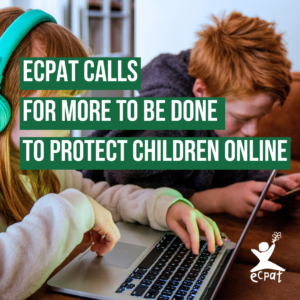
Child sexual abuse and exploitation is happening online, often out of our sight, but with real consequences for the children around us. To prevent harm, it is essential to comprehend the workings of the online world and implement measures that safeguard children from online sexual abuse—without resorting to a complete prohibition of internet access or other restrictive measures. It’s about knowing and using a range of methods and tools to both protect and empower children in their digital lives.
Preventing harm online requires a mix of solutions, including being aware of the issue and its risks, ensuring professional training, listening openly to children’s experiences online, and using technological tools to protect children online.
Scroll Down to Learn how to Prevent Child Sexual Abuse Online!
With a focus on the tools to prevent child sexual abuse online, ECPAT calls on government officials, tech companies, professionals, and caregivers to unite and activate on this issue. How? The answers lie in becoming aware of the risks and manifestations of child sexual abuse online and learn which tools are available to fight this horrendous crime. It’s a collective responsibility to educate ourselves and act, ensuring children benefit from the internet and are protected from harm.
It’s time to break the silence and protect children online. Together, we can create a digital landscape where children thrive in safety, free from the shadows that threaten their well-being.

Take Action Now and Learn How to Protect Children Online!
Learn more:
Meet ECPAT Project Beacon – Putting children’s rights into the heart of digital policy
What do the EU citizens really think about data privacy and child protection online?
How far are we to ensure Child Safety Online in the EU? A timeline of events.
Towards online child protection in the EU
Why Does Online Child Protection Matter? Here is ECPAT Project Beacon to explain why
ECPAT welcomes European Commission’s proposal to prevent and combat child sexual abuse
Latest activities:
What is ECPAT doing to ensure Child Safety Online in the EU?
-

- Private Sector Engagement
Addressing the Financial Dimensions of Child Sexual Exploitation
Available in: English , Spanish
-

- Gender Dimensions
- Online & Tech-Facilitated
- Private Sector Engagement
Enabling Gaming for Good: Post-Event Report
Available in: English
-

- Gender Dimensions
- Online & Tech-Facilitated
- Private Sector Engagement
Designing Player Support That Works: Age and Gender Considerations in Platform and Community Safety
Available in: English
-

- Gender Dimensions
- Humanitarian & Migration
- Online & Tech-Facilitated
Walking Together: A Toolkit to Explore the Digital Safety of Children on the Move
-

- Child & Survivor Participation
- Gender Dimensions
- Humanitarian & Migration
- Online & Tech-Facilitated
No Wi-Fi Means No Life: The digital lives, risks, and protection pathways of children on the move
Available in: English , Greek
-

- Gender Dimensions
Niger: Analyse situationnelle sur les défis spécifiques liés à l’exploitation et l’abus sexuels des garçons
Available in: French
-

- Gender Dimensions
Burkina Faso: Analyse situationnelle sur les défis spécifiques liés à l’exploitation et l’abus sexuels des garçons
Available in: French
-
- Gender Dimensions
Guinée: Analyse situationnelle sur les défis spécifiques liés à l’exploitation et l’abus sexuels des garçons
Available in: French
-
- Gender Dimensions
Côte d’Ivoire: Analyse situationnelle sur les défis spécifiques liés à l’exploitation et l’abus sexuels des garçons
Available in: French
-

- Child & Survivor Participation
Children Know Better: Project Reports
Available in: English
-

- Uncategorized
Children Know Better: Learning Briefs
Available in: English
-

- Child & Survivor Participation
Toolkit: Core Component on Creating a Safe Environment
Available in: English
-

- Child & Survivor Participation
Toolkit: Tools for Participatory Advocacy
Available in: English
-

- Gender Dimensions
Toolkit for Research and Training on Gender Norms and Sexual Exploitation and Abuse of Boys
Available in: English , French
-
- Child & Survivor Participation
Approaches for Youth Engagement in Advocacy on Child Sexual Exploitation and Abuse
Available in: English
-

- Child & Survivor Participation
- Gender Dimensions
- Humanitarian & Migration
- Justice
- Online & Tech-Facilitated
- Travel & Tourism
Egypt — Country Overview
Available in: English
-
- Justice
Access to Justice and Legal Remedies for Children Subjected to Sexual Exploitation in Georgia
Available in: English , Georgian
-

- Justice
Access to Justice and Legal Remedies for Children Subjected to Sexual Exploitation in Kazakhstan
Available in: English
-

- Justice
Access to Justice and Legal Remedies for Children Subjected to Sexual Exploitation in Uzbekistan
Available in: English
-

- Justice
Access to Justice and Legal Remedies for Children Subjected to Sexual Exploitation in Kyrgyzstan
Available in: English
-

- Child & Survivor Participation
- Gender Dimensions
- Humanitarian & Migration
Literature Review – Technology and children on the move or affected by crisis: uses, risks and protection measures
Available in: English
-

- Gender Dimensions
Global Boys Initiative Case Study: Pakistan
Available in: English
-

- Travel & Tourism
Morocco National Workshop: Protect Children in Sports Events
Available in: English
-

- Online & Tech-Facilitated
MENA Workshop 2025: Tech-Facilitated Sexual Exploitation and Abuse of Children
Available in: English
-
- Gender Dimensions
- Humanitarian & Migration
Sexual exploitation of children on the move in the context of Venezuelan migration
Available in: Spanish , English
-
- Gender Dimensions
- Online & Tech-Facilitated
Nerfing gender roles and rigid masculinity: A practical guide to gender-sensitive game safety and design
Available in: English
-
Panorama de País: Venezuela
Available in: Spanish
-

- Gender Dimensions
Global Boys Initiative Case Study: Palestine
Available in: English , Arabic
-

- Online & Tech-Facilitated
Joint ECLAG – DOT Europe Position Paper on Artificial Intelligence generated Child Sexual Abuse Material
Available in: English
-
- Online & Tech-Facilitated
Technology-facilitated Child Sexual Exploitation and Sexual Abuse in Burkina Faso, Côte d’Ivoire, Guinea and Niger
Available in: English , French
-
- Child & Survivor Participation
Erbil Workshop Report: Uniting to End Violence Against Children in Iraq
Available in: English
-

- Travel & Tourism
Global Report: The Role of the Informal Sector and the Sharing Economy Within Travel and Tourism in the Prevention and Response to the Sexual Exploitation of Children
Available in: English , Spanish , Portuguese
-

- Travel & Tourism
Core Competencies Framework for Tourism Education Professionals
Available in: English , Spanish
-
- Travel & Tourism
Global Case Study: How to regulate the issue of voluntourism with children
Available in: English , Spanish
-
- Online & Tech-Facilitated
Understanding risks and instances of online child sexual exploitation and abuse in urban and rural settings
Available in: English
-
- Online & Tech-Facilitated
Addressing the need for comprehensive sexuality and relationships education to combat online child sexual exploitation and abuse
Available in: English
-
- Gender Dimensions
- Online & Tech-Facilitated
Gender considerations in online child sexual exploitation and abuse: a focus on boys
Available in: English
-
- Travel & Tourism
Evaluation of The Code of Conduct for the Protection of Children from Sexual Exploitation in Travel and Tourism
Available in: English , Spanish
-
- Online & Tech-Facilitated
Girls & Young Women-Led Assessment on Online Sexual Exploitation, Abuse & Technology-Facilitated Gender-Based Violence in Africa
Available in: English
-
Collective Action to End Child Sexual Exploitation in Central Asia Report
Available in: English , Russian
-
- Online & Tech-Facilitated
VOICE Child Friendly/Accessible Report
Available in: English
-
- Travel & Tourism
Protecting Children in Travel and Tourism Case Study: Phang Nga, Thailand
Available in: English , Thai
-
- Uncategorized
Collective Action to End Child Sexual Exploitation in Europe Report
Available in: English
-

- Justice
- Online & Tech-Facilitated
ECLAG Memos on the EU Child Sexual Abuse Directive
Available in: English
-
Collective Action to End Child Sexual Exploitation in the Americas: San José Dialogue Report
Available in: English , Spanish
-

- Gender Dimensions
- Humanitarian & Migration
- Online & Tech-Facilitated
- Travel & Tourism
Nigeria — Country Overview
Available in: English
-
Collective Action to End Child Sexual Exploitation and Abuse: South Asia Regional Workshop Outcome Report
Available in: English
-
- Gender Dimensions
Global Boys Initiative Case Study: Los Angeles, USA
Available in: English
-

- Online & Tech-Facilitated
Shock and Inform: Motivating Parents to Action on Online Child Safety
Available in: English
-
- Uncategorized
Collective Action to End Child Sexual Exploitation and Abuse Regional Workshop: West, Central, and North Africa Outcome Report
Available in: English , French
-
- Child & Survivor Participation
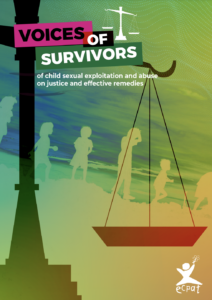
Voices of survivors of child sexual exploitation and abuse on justice and effective remedies
Available in: English
-
- Law Enforcement
Role of Police in Prevention – The Philippines Case Study
Available in: English
-

- Law Enforcement
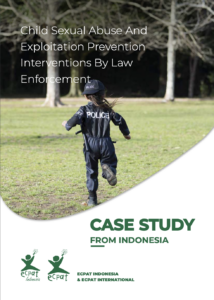
Role of Police in Prevention – Indonesia Case Study
Available in: English
-
- Law Enforcement
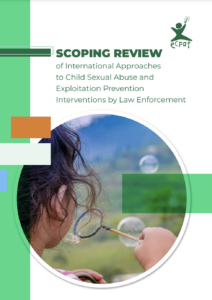
Role of Police in Prevention – Global Scoping
Available in: English , Spanish
-
- Travel & Tourism
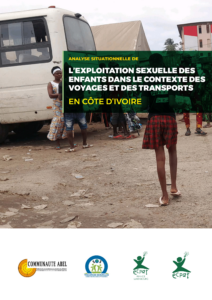
Analyse Situationnelle De L’exploitation Sexuelle Des Enfants Dans Le Contexte Des Voyages Et Des Transports En Côte d’Ivoire
Available in: French
-
- Gender Dimensions
- Humanitarian & Migration
Global Boys Initiative Case Study: Calais, France
Available in: English , French
-
- Gender Dimensions
- Online & Tech-Facilitated
Gender, Safety, and Help-Seeking Behaviours in Online Gaming Environments – Brief Paper
Available in: English
-
- Travel & Tourism
Analyse Situationnelle De L’exploitation Sexuelle Des Enfants Dans Le Contexte Des Voyages Et Des Transports Au Burkina Faso
Available in: French
-
- Travel & Tourism
Analyse Situationnelle De L’exploitation Sexuelle Des Enfants Dans Le Contexte Des Voyages Et Des Transports en Guinée
Available in: French
-
- Online & Tech-Facilitated
Executive Summary – VOICE Speaking Up For Change: Children’s and Caregivers’ Voices for Safer Online Experiences
Available in: English , Bengali , Croatian , Dutch , Estonian , French , German , Italian , Portuguese , Spanish , Thai
-
Collective Action to End Child Sexual Exploitation and Abuse Regional Workshop: Bangkok Outcome Report
Available in: English
-
National Workshop Tunisia: Uniting to end violence against children in Tunisia
Available in: English
-
National Workshop Jordan: Uniting to end violence against children in Jordan
Available in: English
-
- Humanitarian & Migration
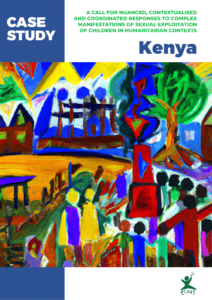
Sexual Exploitation of Children in Humanitarian Contexts: Case Study Kenya
Available in: English
-
- Humanitarian & Migration
Sexual Exploitation of Children in Humanitarian Contexts: Case Study Ethiopia
Available in: English
-
- Humanitarian & Migration
Sexual Exploitation of Children in Humanitarian Contexts: Case Study Kurdistan Region of Iraq
Available in: English , Arabic , Kurdish
-
- Humanitarian & Migration
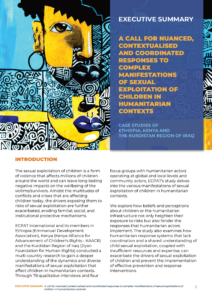
Sexual Exploitation of Children in Humanitarian Contexts – Executive Summary
Available in: English , French , Spanish
-
- Humanitarian & Migration
- Uncategorized
Respuestas a la explotación sexual de niñas, niños y adolescentes en el contexto humanitario generado por la crisis de migración venezolana: Caso de Perú y Colombia
Available in: Spanish
-
- Humanitarian & Migration
Sexual Exploitation of Children in Humanitarian Contexts: Global Research
Available in: English
-
- Online & Tech-Facilitated
VOICE Report – Speaking Up For Change: Children’s and Caregivers’ Voices for Safer Online Experiences
Available in: English
-
- Gender Dimensions
Action Report: Shifting the Narrative To Build a Culture of Child Safety In Online Gaming
Available in: English
-
- Gender Dimensions
- Humanitarian & Migration
- Justice
- Online & Tech-Facilitated
- Travel & Tourism
Italy — Joint Country Overview
Available in: English
-
- Justice
- Online & Tech-Facilitated
ECPAT joins forces with DOT Europe, CCIA and 50+ tech trade associations and NGOs with a joint statement to the European Union
Available in: English
-
- Travel & Tourism
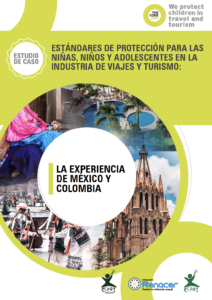
Child protection standards in the travel and tourism industry: the experience of Mexico and Colombia
Available in: Spanish , English
-
- Gender Dimensions
- Online & Tech-Facilitated
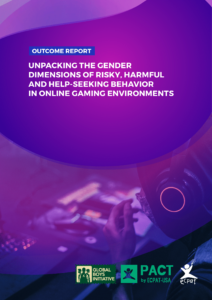
Outcome Report: Unpacking the Gender Dimensions of Risky, Harmful, and Help-Seeking Behavior in Online Gaming Environments
Available in: English
-
- Travel & Tourism
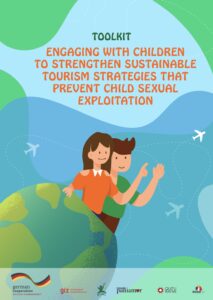
Engaging with children to strengthen sustainable tourism strategies that prevent child sexual exploitation
Available in: English , Spanish
-
- Online & Tech-Facilitated
Behind the Screens: Early Findings from the VOICE Research
Available in: English
-
- Law Enforcement
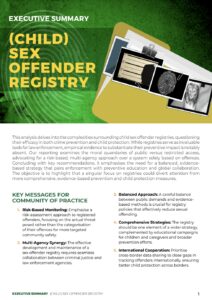
(Child) Sex Offender Registry: Executive Summary
Available in: English , Spanish
-
- Online & Tech-Facilitated
ECPAT and NSPCC child online safety poll: Executive Summaries
Available in: English , German , Bulgarian , Czech , Estonian , Finnish , French , Greek , Hungarian , Italian , Dutch , Polish , Portuguese , Spanish , Swedish
-
- Online & Tech-Facilitated
ECPAT and NSPCC child online safety poll: Questionnaires
Available in: Bulgarian , Austrian , Czech , Dutch , English , Estonian , French , Finnish , German , Greek , Italian , Hungarian , Polish , Portuguese , Spanish , Swedish
-
- Travel & Tourism
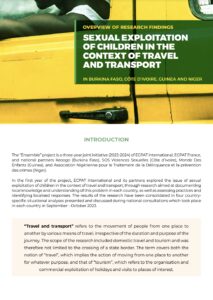
Overview of research findings: Sexual exploitation of children in the context of travel and transport in Burkina Faso, Côte D’ivoire, Guinea and Niger
Available in: English , French , Spanish
-
- Travel & Tourism
Bolivia Promising Practice: The role of the travel and transportation industry in preventing and addressing the sexual exploitation of children
Available in: Spanish , English
-
Technical Considerations for the Development of (Child) Sex Offender Registries
Available in: English , Spanish
-
(Child) Sex Offender Registry: Working Paper
Available in: English , Spanish
-
- Travel & Tourism
The Netherlands – Regulating voluntourism as part of child protection standards for the travel and tourism industry
Available in: English